
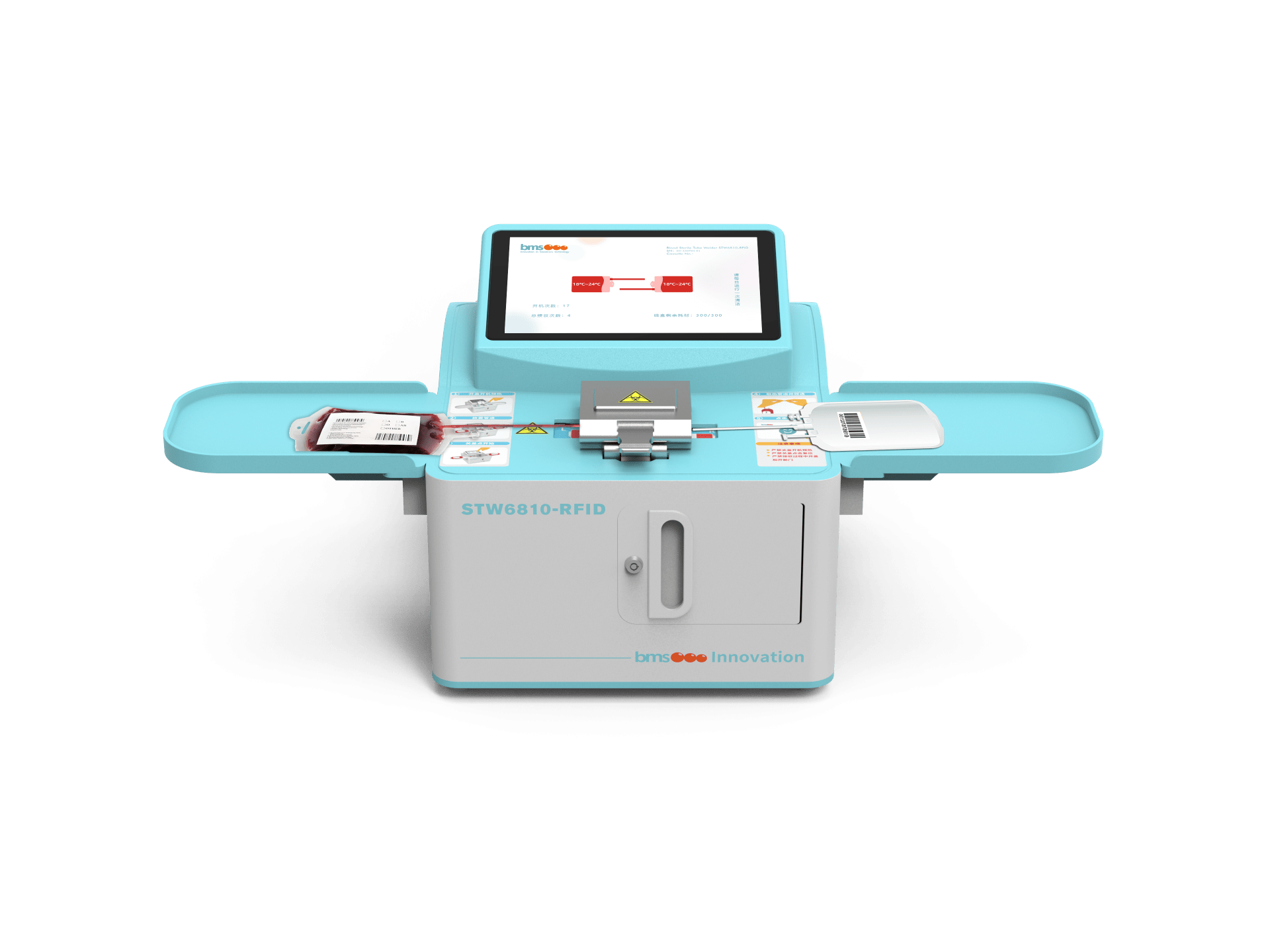
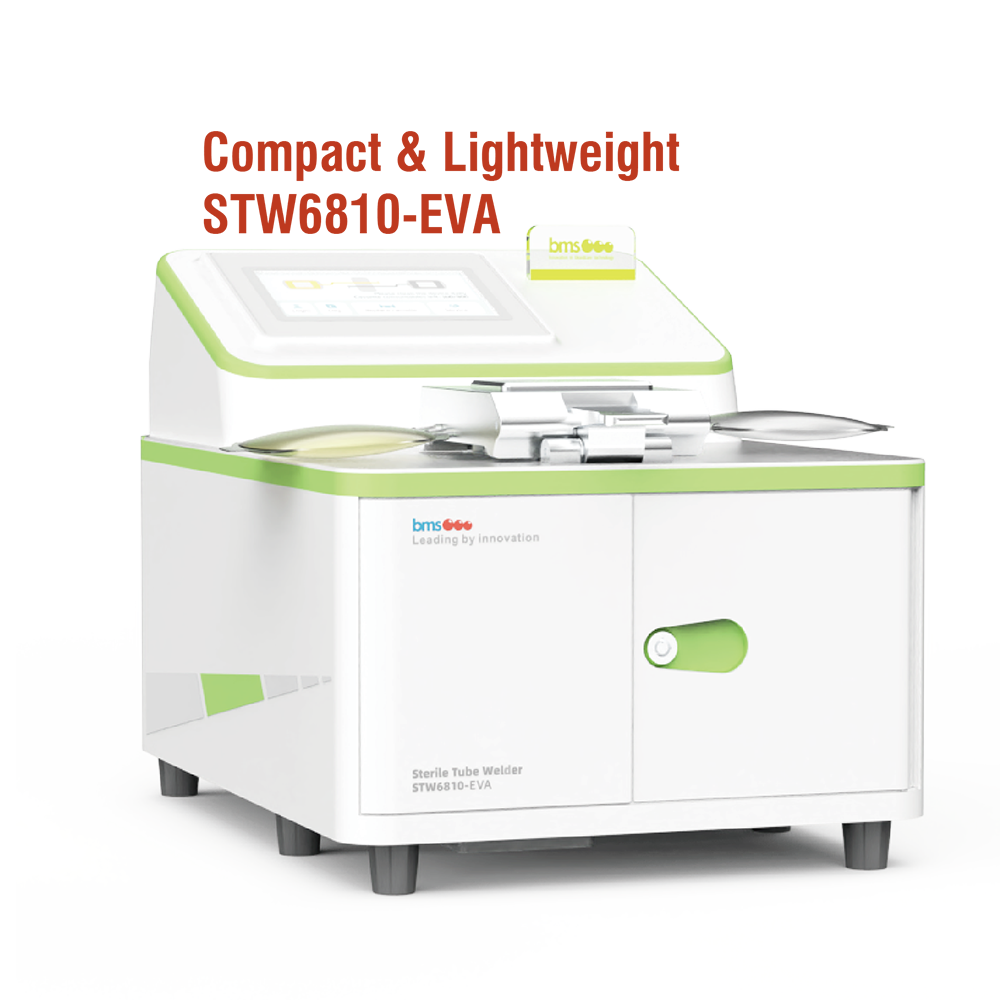

Sterile Blood Tube Welder
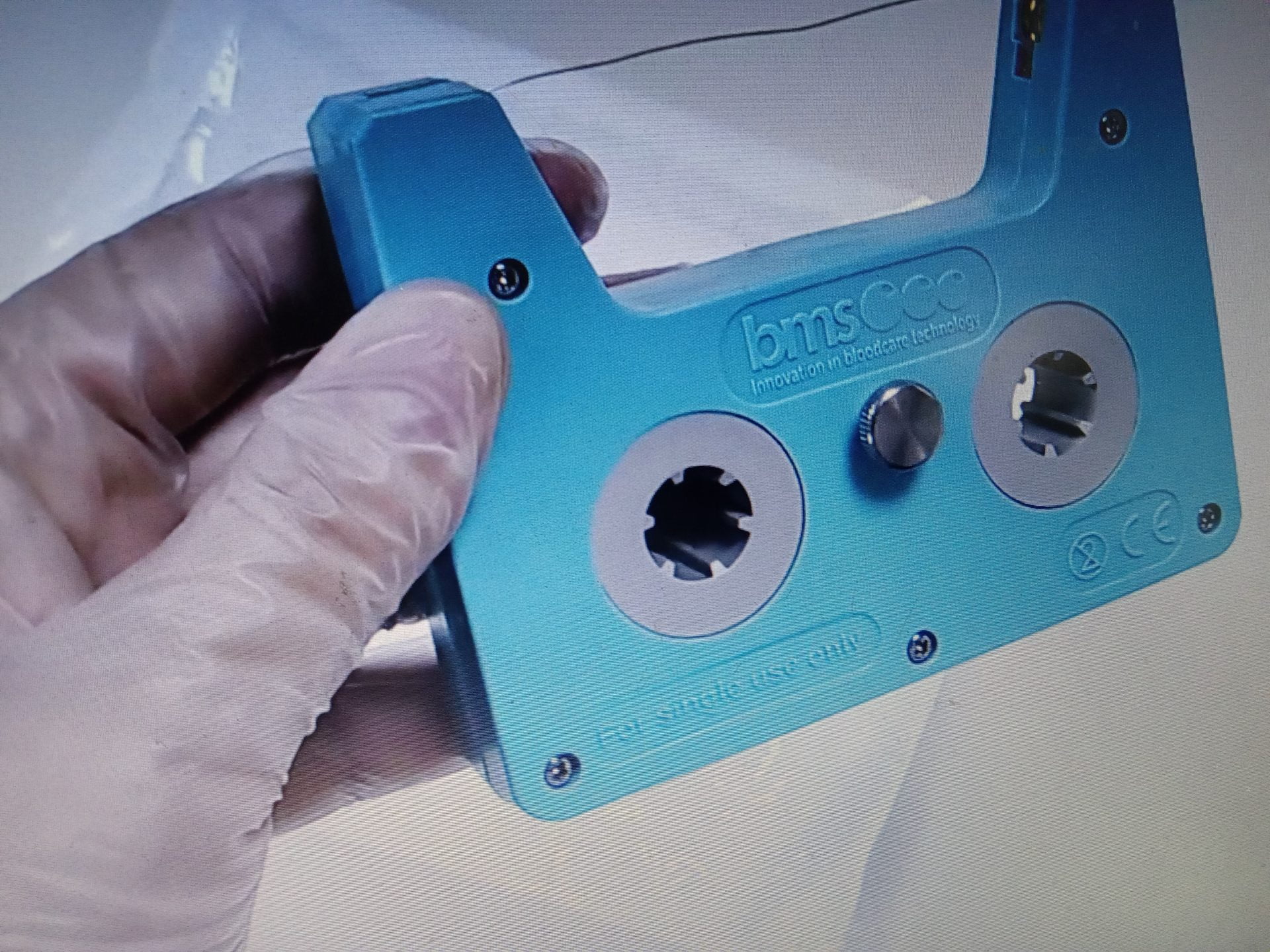
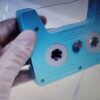
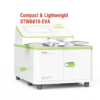
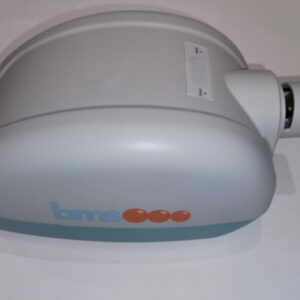
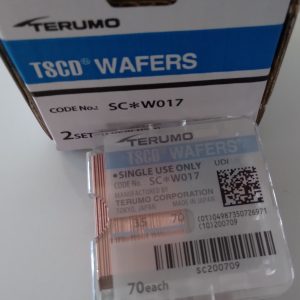
The sterile blood tube welder is a precision instrument engineered to fuse PVC or EVA blood tubing using specialized cassette wafers. The process begins as the technologist aligns the tubing within designated slots. Once the tubing is seated, the technologist engages the lever to secure the tubes.
The tube welder maintains an optimal thermal profile that is required for sensitive blood components, aliquots, and cryoprecipitate. By heating the cassette to precise temperatures, the device streamlines the component production workflow.
The seamless execution of this connection process exemplifies a design centered on patient safety. The technology empowers technologists to operate with confidence, knowing every tubing connection is secure, validated, and devoid of contamination.
The core of the technology relies on a heated wire (reaching temperature above 200°C) that acts as both a blade and a sterile barrier.
The Cut: As the wire moves through the two tubes, it melts the plastic and creates a molten surface while simultaneously killing any surface microorganisms.
The Translation: While the PVC or EVA tubing is held against the hot wire, the clamps (move vertically in opposite directions). This aligns the “A” side of the first tube with the “B” side of the second tube.
The Weld: The wire is retracted, and the two molten ends are pressed together. Because the plastic is still in a semi-liquid state, they fuse into a single, continuous, and hermetic bond as they cool.
Sterile Blood Tube Welder Purpose
| Component | Purpose of Welding | Benefit |
| Aliquoting | Splitting a unit for use. | Blood tube welder prevents bacterial entry during division. |
| Pooling | Combining multiple cryoprecipitates. | Maintains the sterility of the concentrated clotting factors. |
| Leukoreduction | Attaching a filter to a red cell unit. | The tube welder ensures the final product remains “sterile” despite the addition of hardware. |