
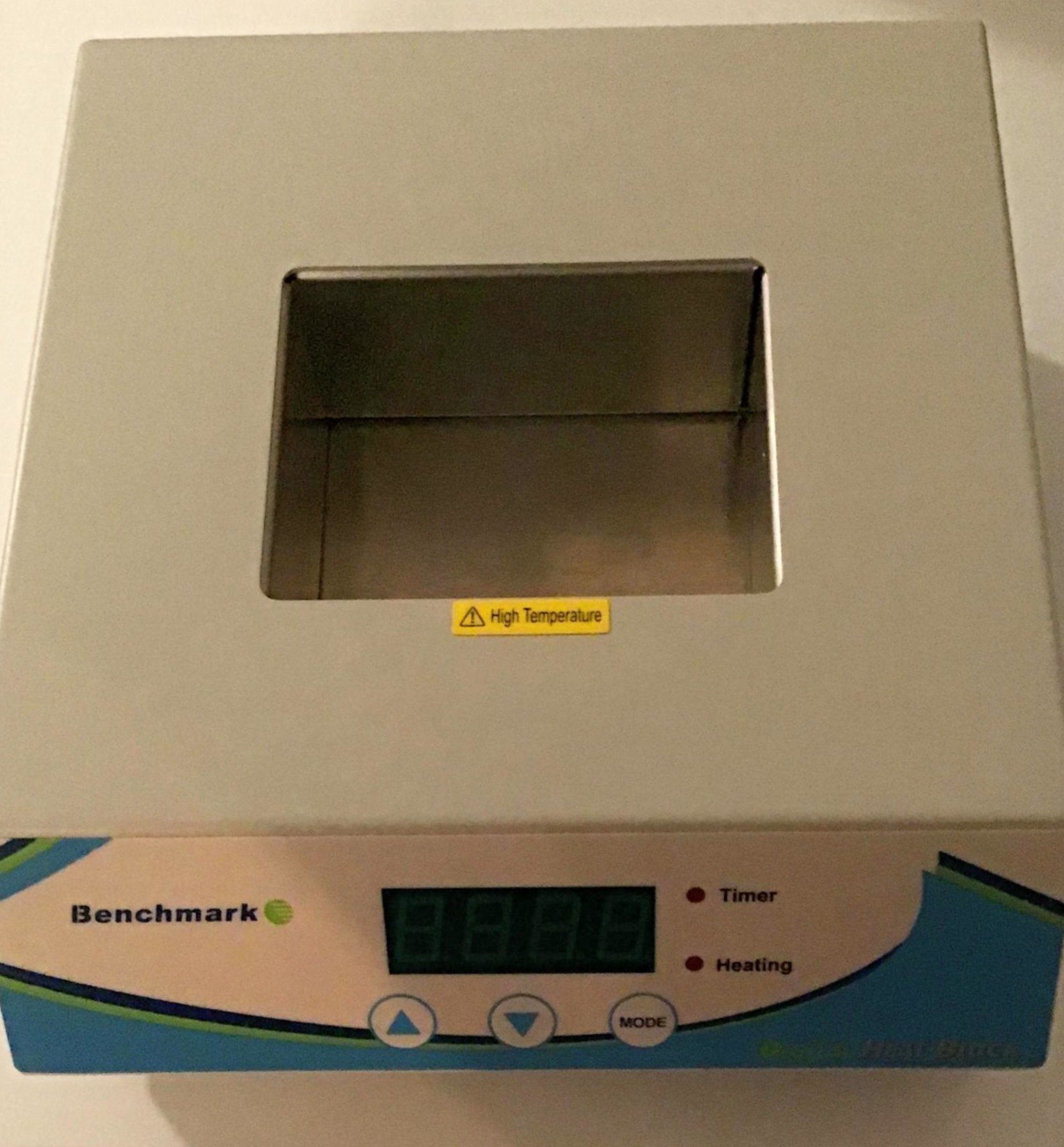

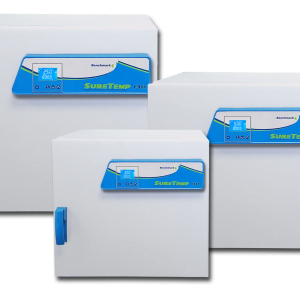
Digital Dry Bath Incubators
Dry digital dry bath incubators with interchangeable blocks offer a range of configurations that can significantly increase lab diversity. The wide temperature range of up to 150°C means that digital dry baths can be used for a variety of scientific applications.
These applications may include blood banking, pre-warming techniques, warming reagents, PCR (Polymerase Chain Reaction) preparation, heating tubes, and environmental laboratory testing. When compared to conventional analogue models, digital dry baths provide superior performance, safety, and reproducibility.
Dry Bath Incubator Design and Versatility
Digital dry bath incubators design offers both basic and advanced laboratory applications. Key design features include:
- Maximum Temperature: Up to 150°C, suitable for high-heat applications.
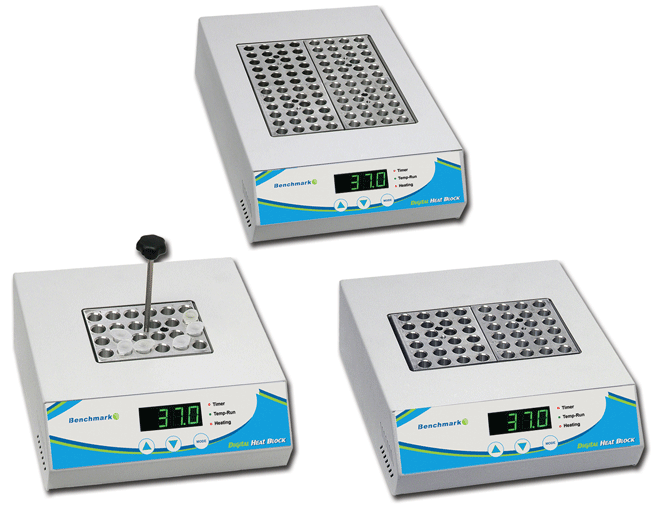
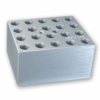
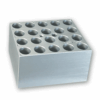
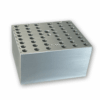
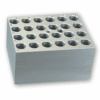
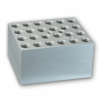
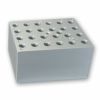
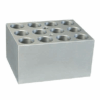
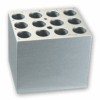
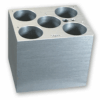
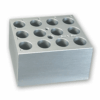
- Modular Blocks: Available in single, double, or four-block configurations to accommodate various tube sizes and high-throughput workflows.
- Precision Control: Built-in sophisticated temperature processors regulate the wattage of the heat block to provide extremely accurate temperature maintenance and precision.
Advanced Incubator Microprocessor Control
The integrated microprocessor removes the guesswork associated with older technology. The user simply enters the required temperature on the digital keypad, and the system controls the heat block to an accuracy of ±0.2°C. Analogue systems require external thermometers and manual monitoring, the digital interface features offer easy-to-read control setting and an internal temperature display for real-time verification.
Digital Timing and User Interface
The digital lab incubator features a built-in timer that has both an audible and visual alert to notify the user once the set duration has expired.
The digital dry bath interface completely removes the need for the repeated fine-tuning and manual calibration required with analogue models. By eliminating the reliance on a graduated dial, labs can achieve faster setup times, reduce human error, and ensure that every experiment is conducted under identical, verifiable thermal conditions.